Insomnia is characterized by difficulty initiating or maintaining sleep and is associated with distress or impairment in daytime functioning1
There is limited clinical evidence of drugs for insomnia improving daytime impairment2
Additionally, subjects valued improving daytime functioning as the most important attribute in a sleep aid3
Daridorexant is a dual orexin receptor antagonist designed to improve sleep onset and sleep maintenance without any residual effects that might impair daytime functioning2
Two placebo-controlled phase 3 trials were conducted to assess the safety and efficacy of daridorexant in subjects with insomnia (NCT03545191 and NCT03575104)2
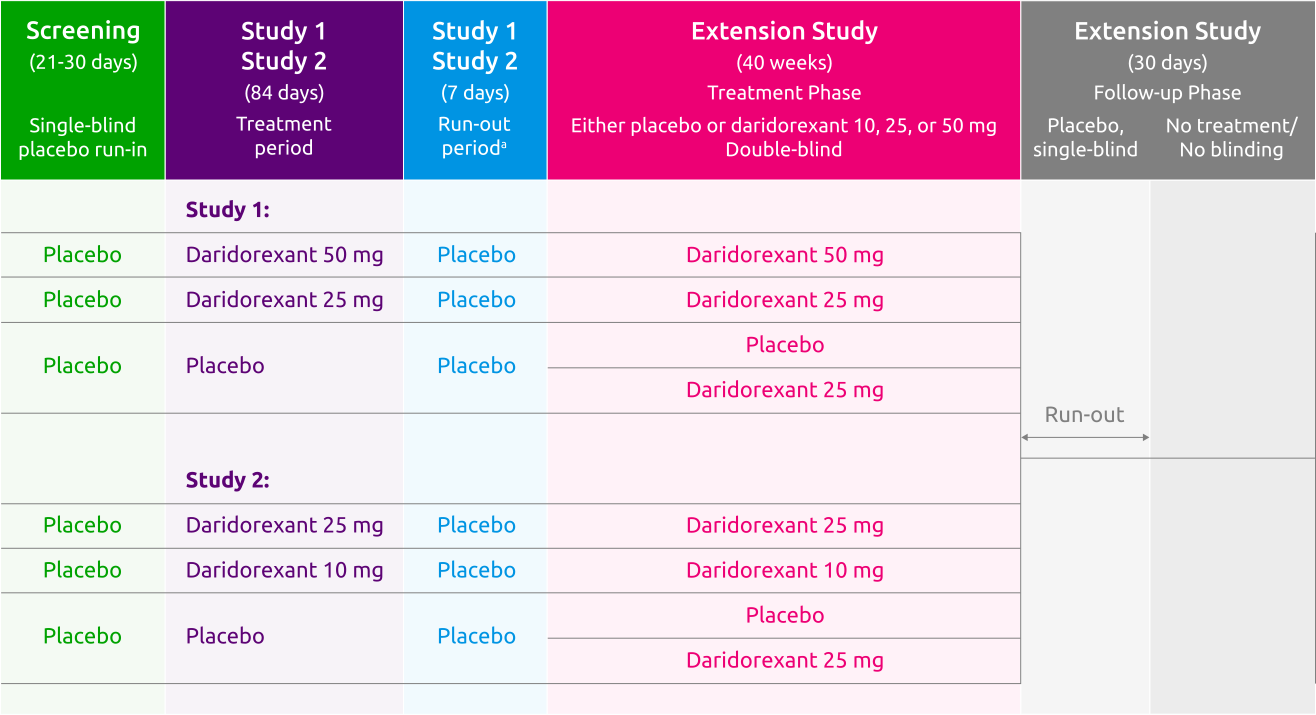
A 40-week extension study (NCT03679884) of the two pivotal trials was also conducted4
Methods
Two clinical trials of identical design, except for dose of daridorexant, were conducted
Tap the icon to learn more
Results
Tap the icon to learn more
Primary Endpoints
Secondary Endpoints
Summary

Daridorexant 50 mg and 25 mg improved nighttime symptoms of insomnia, including time to fall asleep and sleep maintenance2

Daridorexant improved sleep without excess residual effects, including next-morning sleepiness2
Daridorexant 50 mg was well tolerated, and improvements in sleep and daytime functioning were sustained for up to 12 monthsa,2,4
aEfficacy results from the extension study were exploratory, results are descriptive only, and no conclusions regarding efficacy can be made.
1. American Psychiatric Association. Diagnostic and Statistical Manual of Mental Disorders, 5th edn. Arlington, VA: American Psychiatric Association, 2013.
aSubjects who did not enroll in the extension were followed for an additional 23 days of observation.
Select Inclusion and Exclusion Criteria
CLOSEclose
Age ≥18 years
Diagnosis of insomnia based on DSM-5 criteria
Insomnia severity index (ISI) score ≥15
Self-reported history of disturbed sleep on at least 3 nights per week for at least 3 months (ie, all of the following):
≥30 minutes to fall asleep
≥30 minutes awake during sleep time
Self-reported total sleep time of ≤6.5 hours
During the placebo run-in period, these self-reported sleep parameters were also met in ≥3 out of 7 days
During the placebo run-in period all of the following PSG criteria had to be met on average over 2 consecutive nights of PSG evaluation
LPS ≥20 minutes
WASO ≥30 minutes
Mean TST <7 hours
LPS, latency to persistent sleep; PSG, polysomnography; TST, total sleep time; WASO, wake after sleep onset.
Self-reported daytime napping (≥1 hour per day on ≥3 days per week)
History of suicidal ideation or suicide attempt
Acute or chronic psychiatric condition not controlled by therapy
Severe depression
Alcohol or drug misuse
Apnea or hypopnea index of ≥15 events/hour or higher (per AASM criteria)
An event associated with oxygen saturation of <80% (assessed by PSG)
Periodic limb movement index of ≥15 events per hour (assessed by PSG)
Restless legs syndrome
Circadian rhythm disorder
Rapid-eye-movement behavior disorder
Narcolepsy
AASM, American Academy of Sleep Medicine; PSG, polysomnography.
Outcomes
CLOSEclose
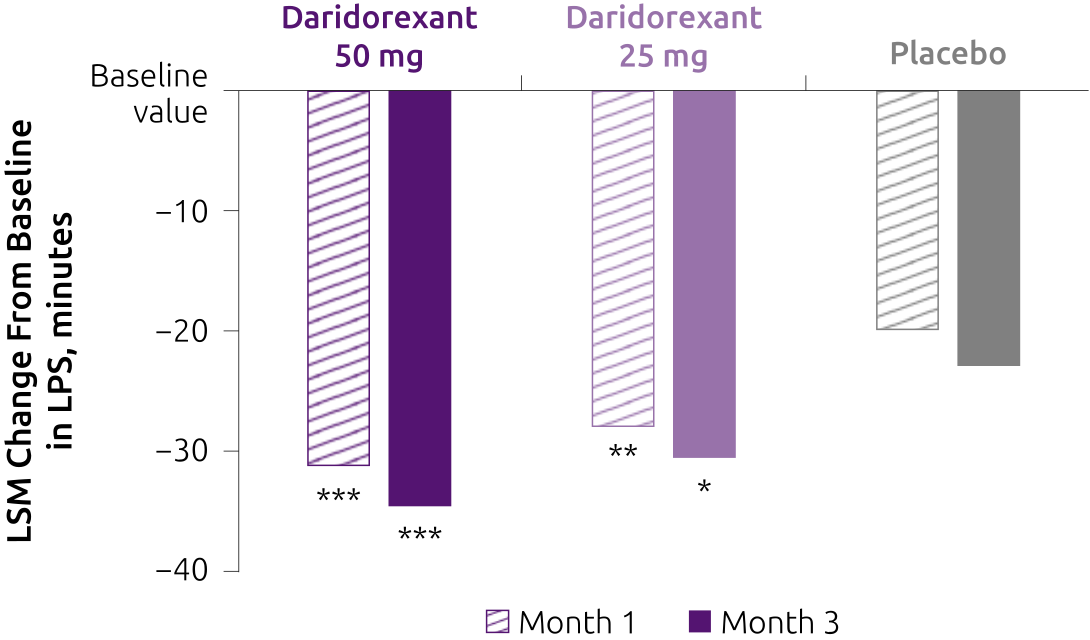
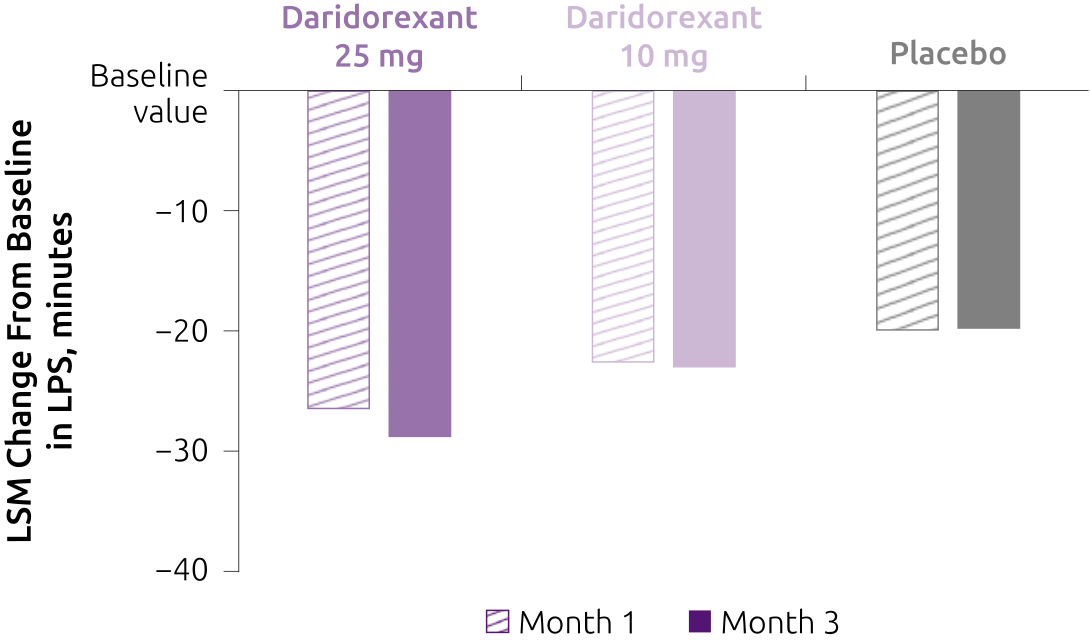
Latency to Persistent Sleep (LPS)
Measures the time between the start of the PSG recording and the first 10 consecutive minutes of sleep1
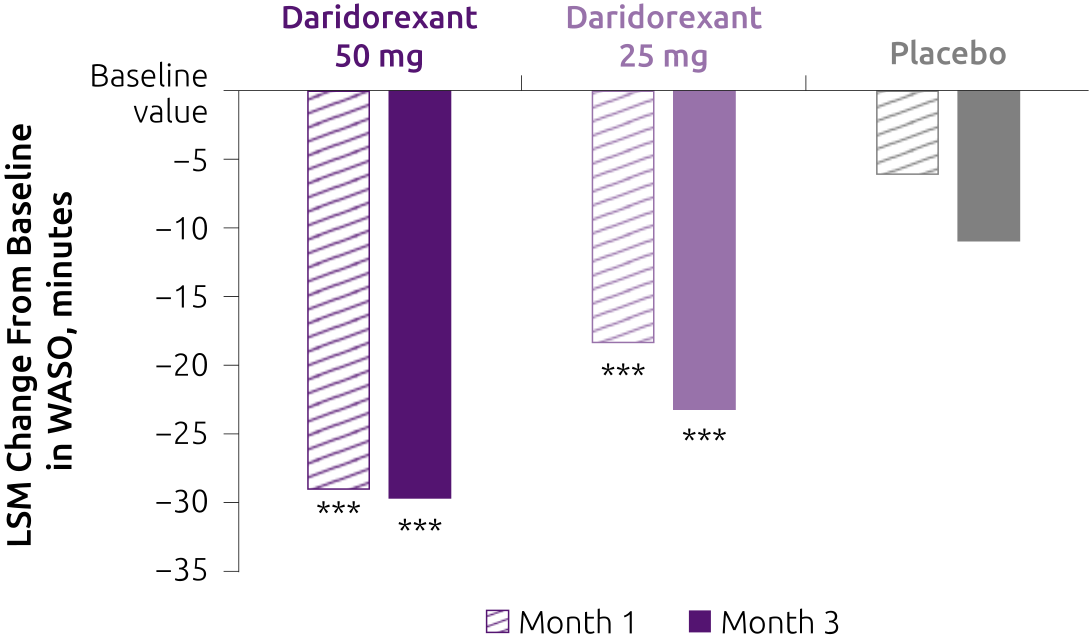
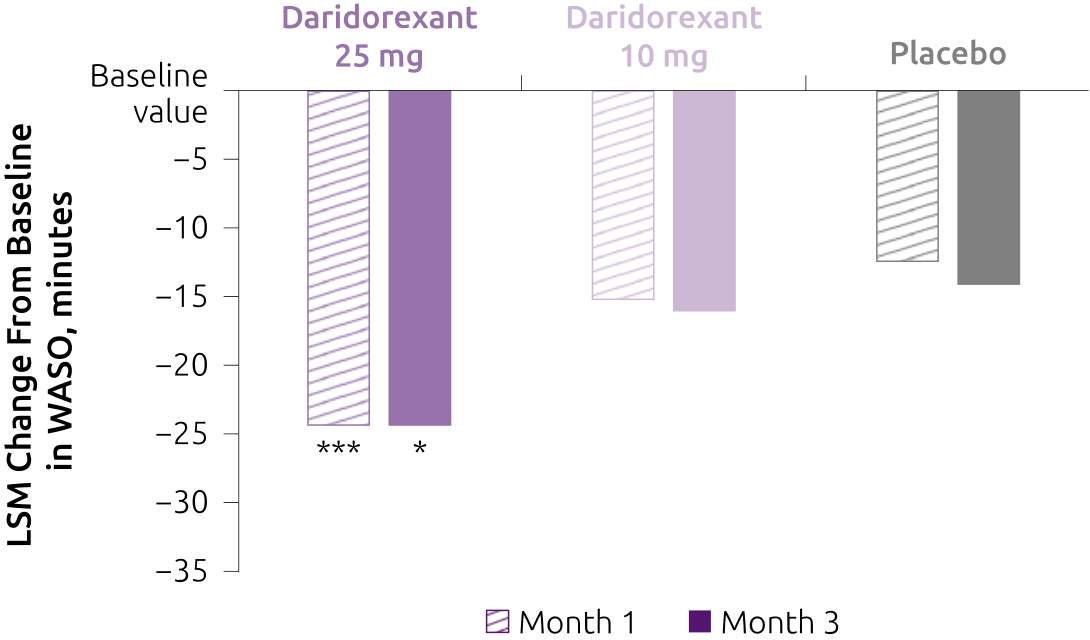
Wake After Sleep Onset (WASO)
Measures the total amount of time a person is awake between first falling asleep and the end of the PSG recording1
PSG, polysomnography.
1. Sateia MJ, et al. J Clin Sleep Med. 2017;13:307-349.
Self-Reported Total Sleep Time (sTST)
Total sleep time as estimated by the subject1
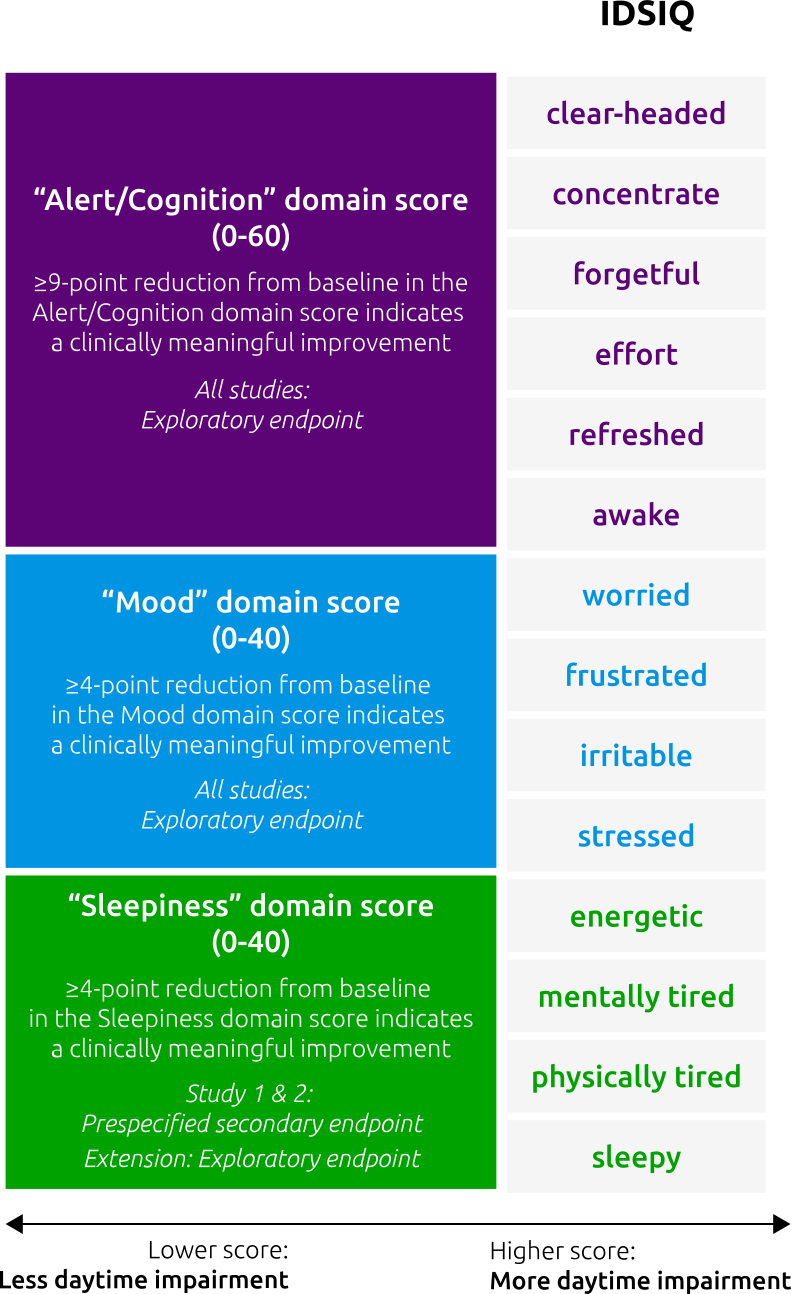
Insomnia Daytime Symptoms and Impacts Questionnaire (IDSIQ) Sleepiness Domain Score
Novel validated patient-report questionnaire completed daily to assess daytime impairment. Developed per FDA guidance to assess impact of insomnia and treatments2
IDSIQ
Total IDSIQ Score
(0-140)
≥17-point reduction from baseline in the Total score indicates a clinically meaningful improvement2
All studies: Exploratory endpoint
Example Question
How mentally tired did you feel today? Scale 0-10 with 0=not at all mentally tired and 10=very mentally tired
1. Sateia MJ, et al. J Clin Sleep Med. 2017;13:307-349.
2. Hudgens S, et al. Patient. 2021;14:249-268.
Primary Endpoints
Safety and tolerability
Treatment-emergent adverse events (TEAEs) that occured during treatmenta
Exploratory Endpoints
Self-Reported Total Sleep Time (sTST)
Total sleep time as estimated by the subject1
Insomnia Daytime Symptoms and Impacts Questionnaire (IDSIQ) Sleepiness Domain Score
Novel validated patient-report questionnaire completed daily to assess daytime impairment. Developed per FDA guidance to assess impact of insomnia and treatments2
IDSIQ
Total IDSIQ Score
(0-140)
≥17-point reduction from baseline in the Total score indicates a clinically meaningful improvement2
All studies: Exploratory endpoint
Example Question
How mentally tired did you feel today? Scale 0-10 with 0=not at all mentally tired and 10=very mentally tired
aAdditional endpoints including Epworth Sleepiness Scale, Visual Analog Scale-assessed morning sleepiness score, Benzodiazepine Withdrawal. Symptom Questionnaire, and rebound insomnia were assessed, but are not included in this infographic. Please refer to the full manuscript.
1. Sateia MJ, et al. J Clin Sleep Med. 2017;13:307-349.
2. Hudgens S, et al. Patient. 2021;14:249-268.
Location
CLOSEclose
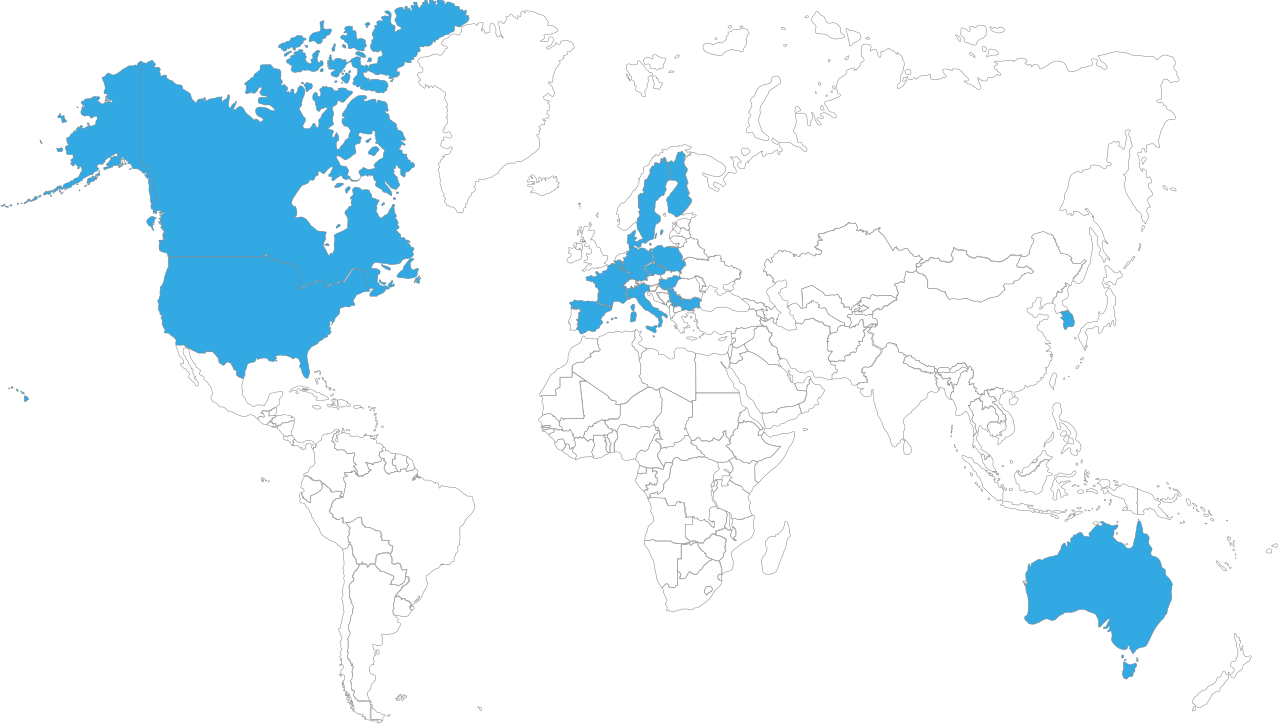
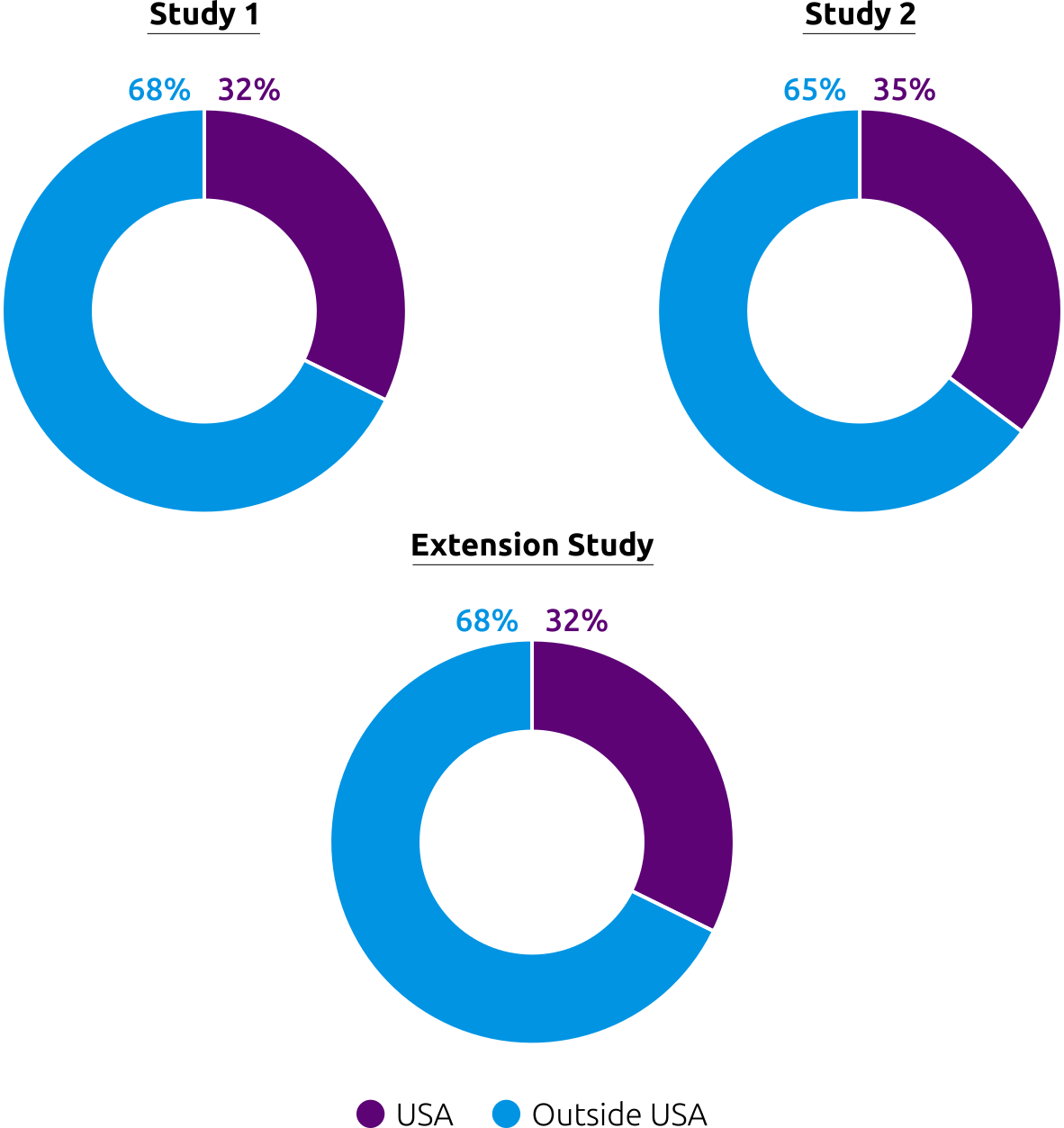
Study 1 was performed at 75 hospitals and sleep centers in Australia, Canada, Denmark, Germany, Italy, Poland, Serbia, Spain, Switzerland, and the United States
Study 2 was performed at 81 hospitals and sleep centers (different from study 1) in Belgium, Bulgaria, Canada, Czech Republic, Finland, France, Germany, Hungary, South Korea, Sweden, and the United States
The long-term extension study was performed at 94 sites in 14 countries (Belgium, Bulgaria, Canada, Denmark, Finland, France, Germany, Hungary, Poland, South Korea, Spain, Sweden, Switzerland, and the United States)
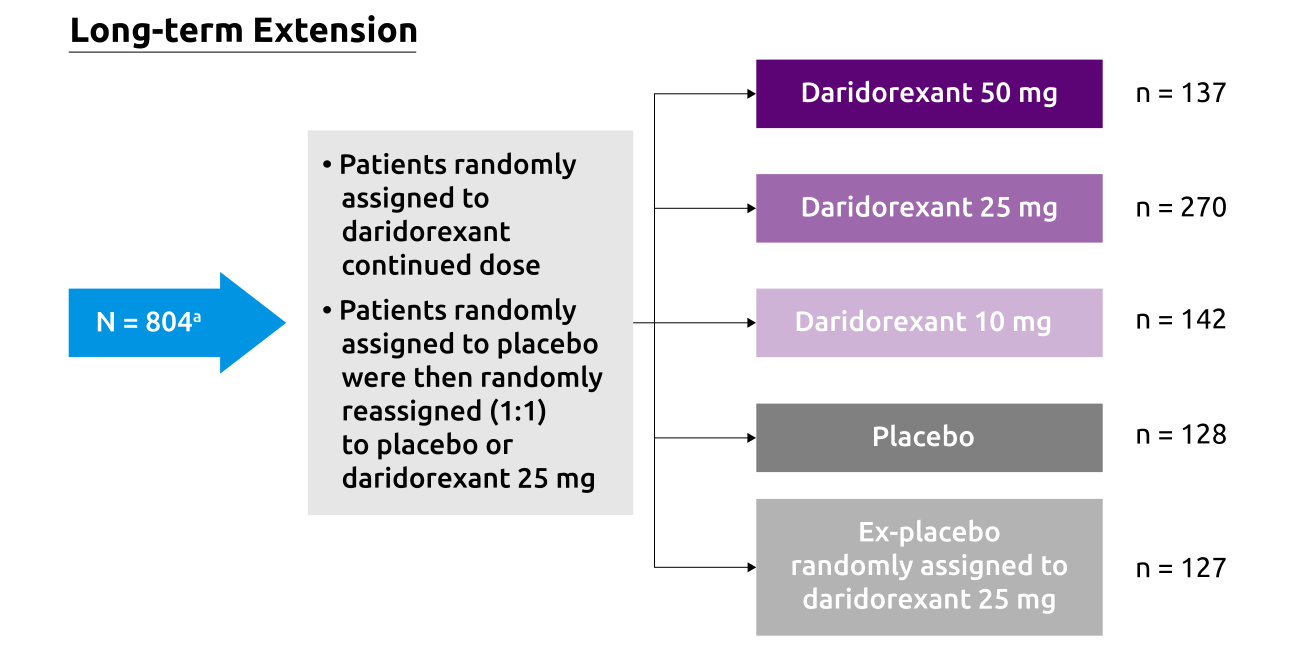
Subject Disposition
CLOSEclose
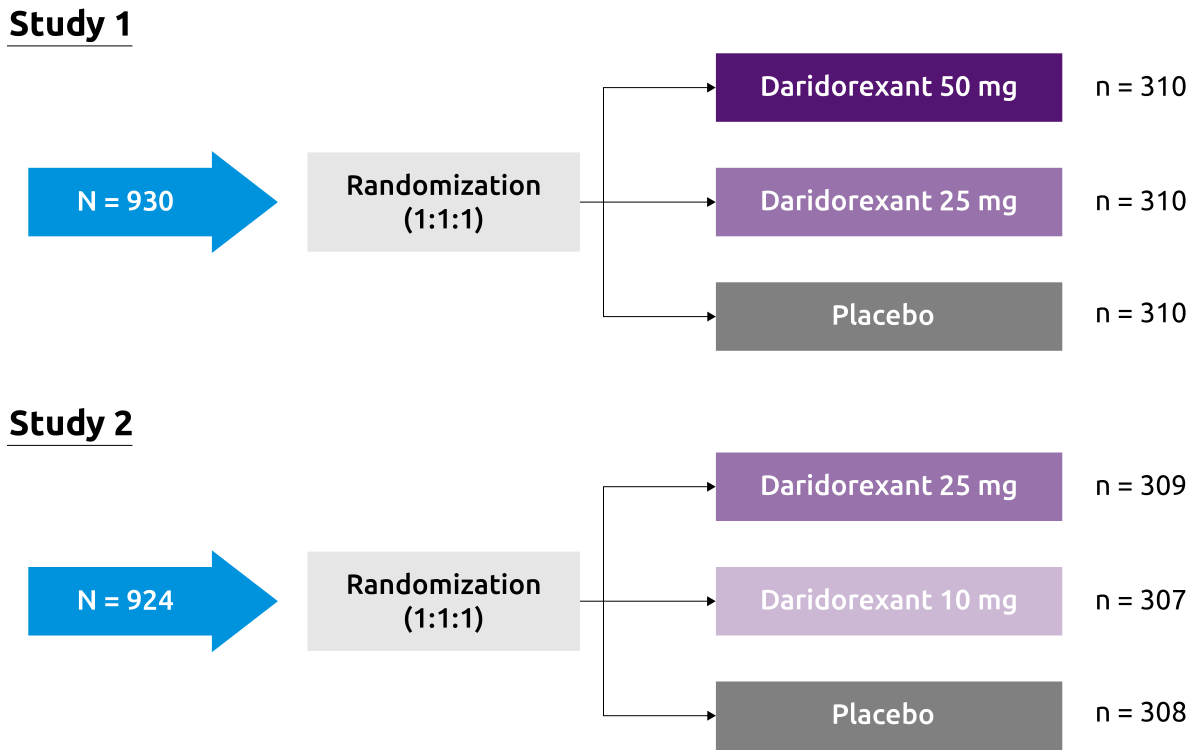
aAfter 7-day placebo run-out, subjects continued from study 1 (N = 392) and study 2 (N = 412).
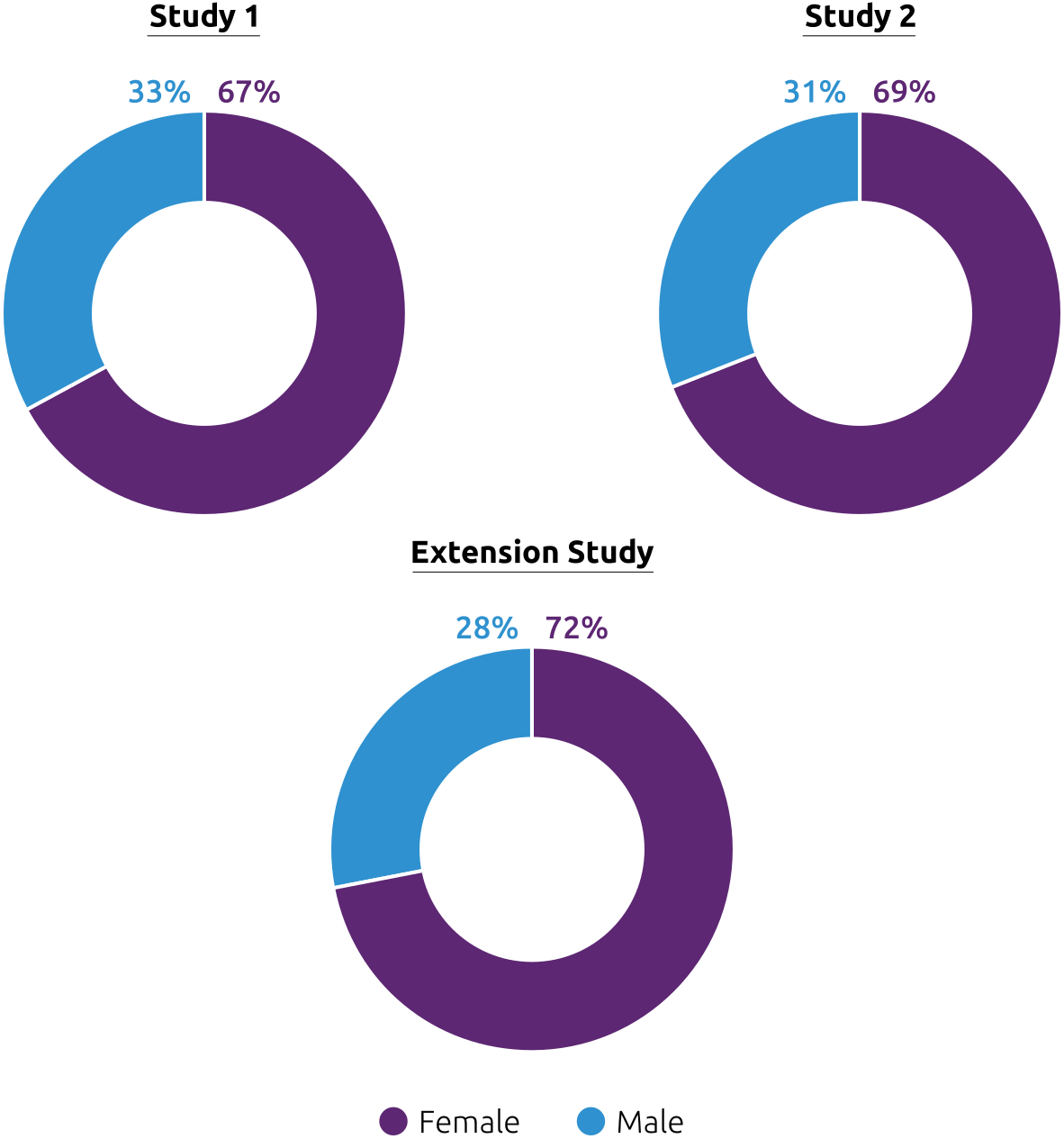
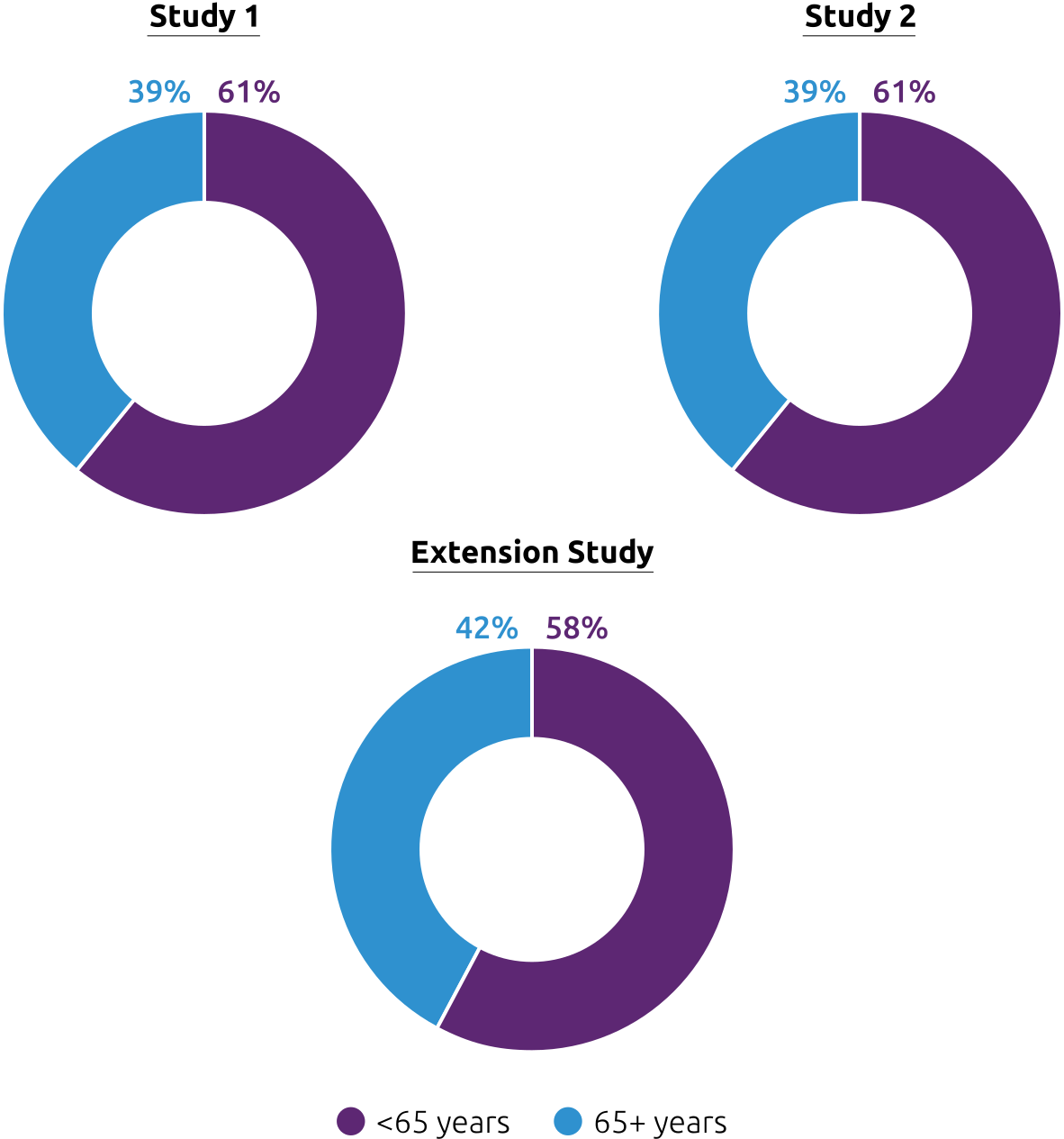
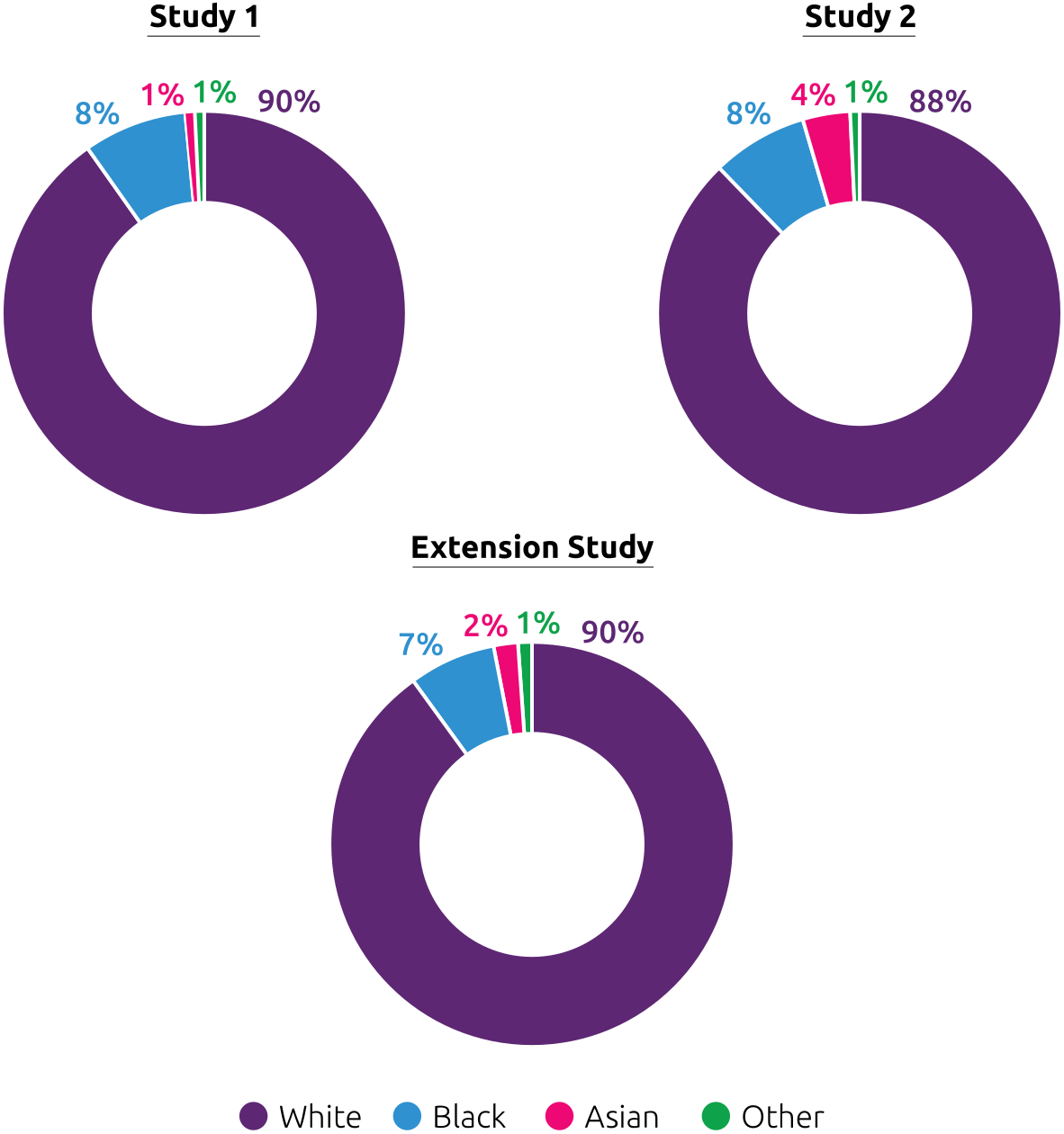
Subject Demographics and Baseline Characteristics
CLOSEclose
SEX
AGE
RACE
LOCATION
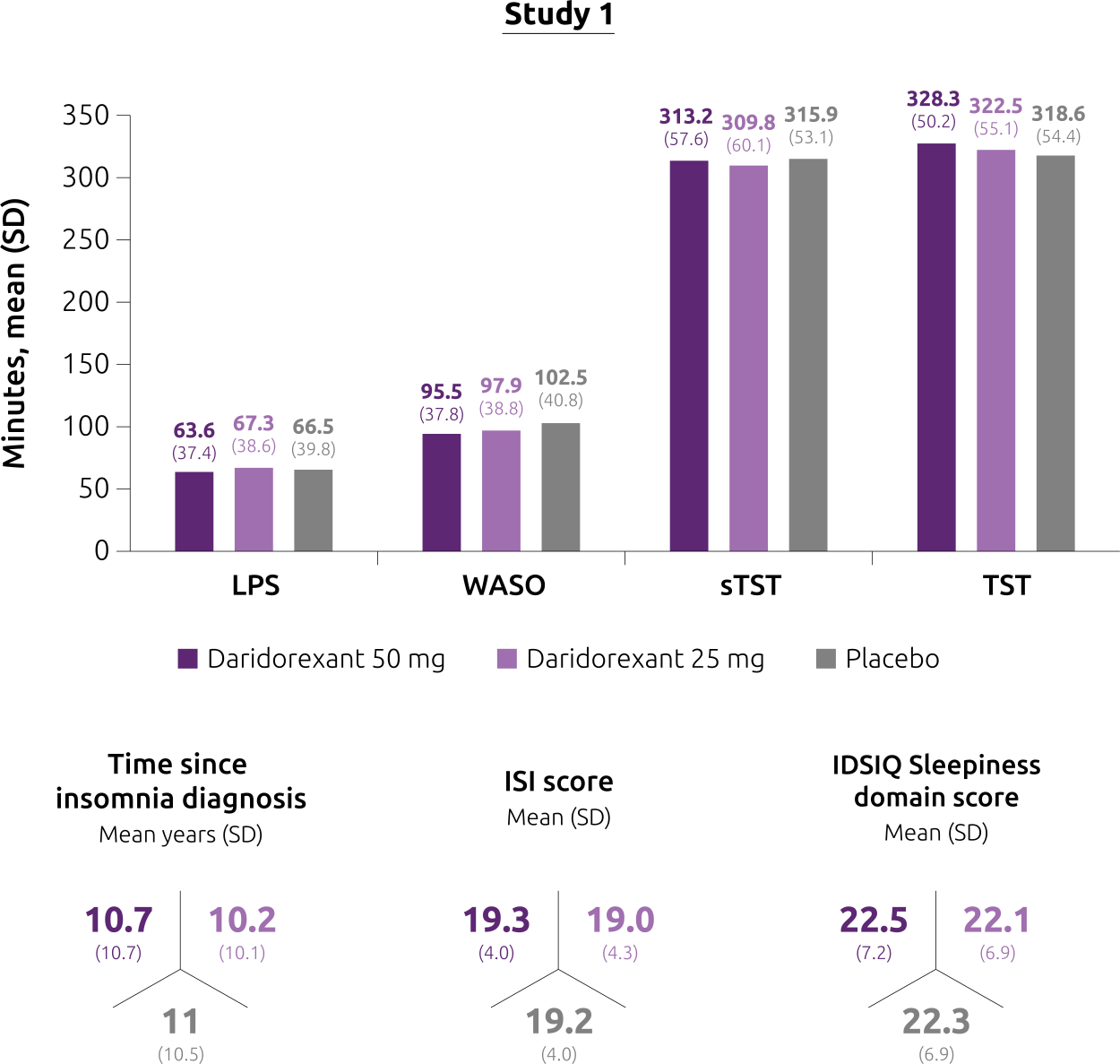
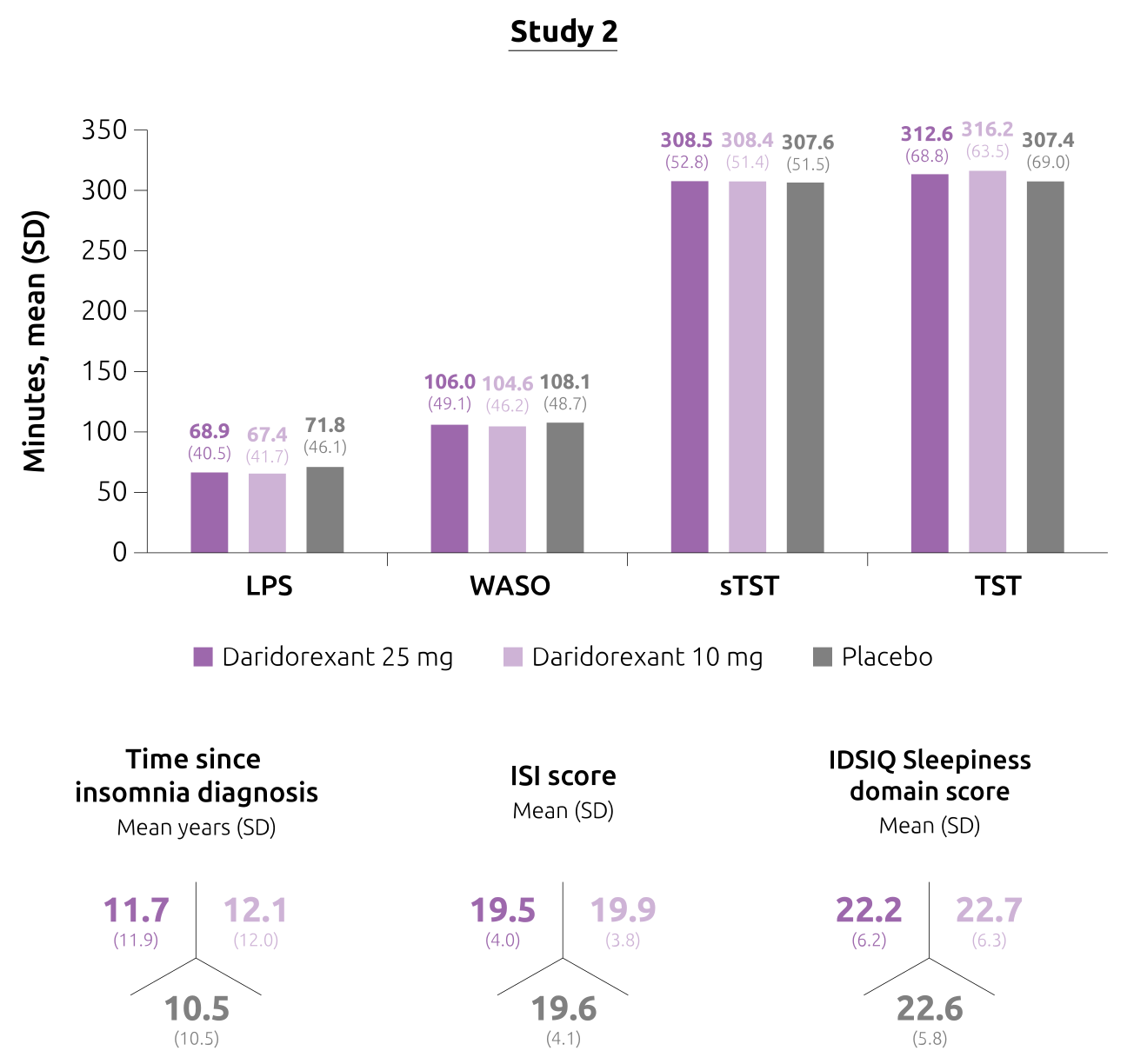
IDSIQ, Insomnia Daytime Symptoms and Impacts Questionnaire; ISI, Insomnia Severity Index; LPS, latency to persistent sleep; TST, objective total sleep time; SD, standard deviation; sTST, self-reported total sleep time; WASO, wake after sleep onset.
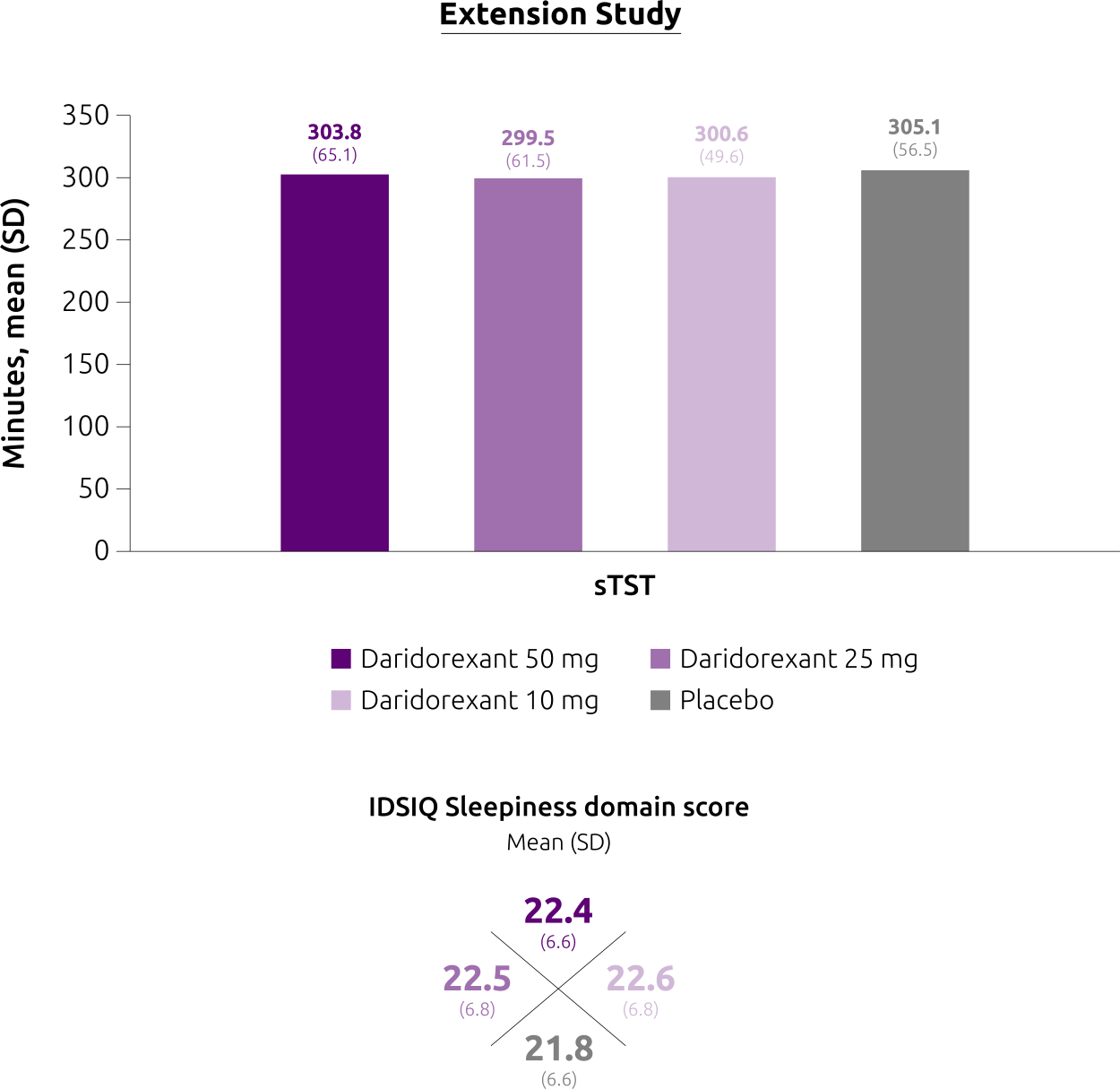
IDSIQ, Insomnia Daytime Symptoms and Impacts Questionnaire; sTST, self-reported total sleep time.
LSM, least squares mean; sTST, self-reported total sleep time.
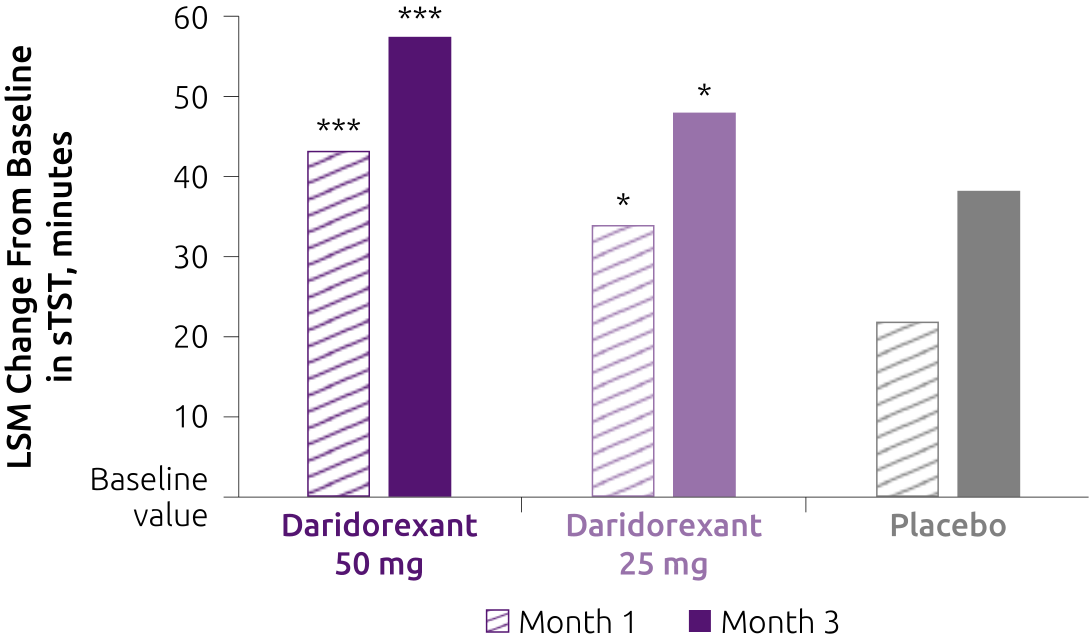
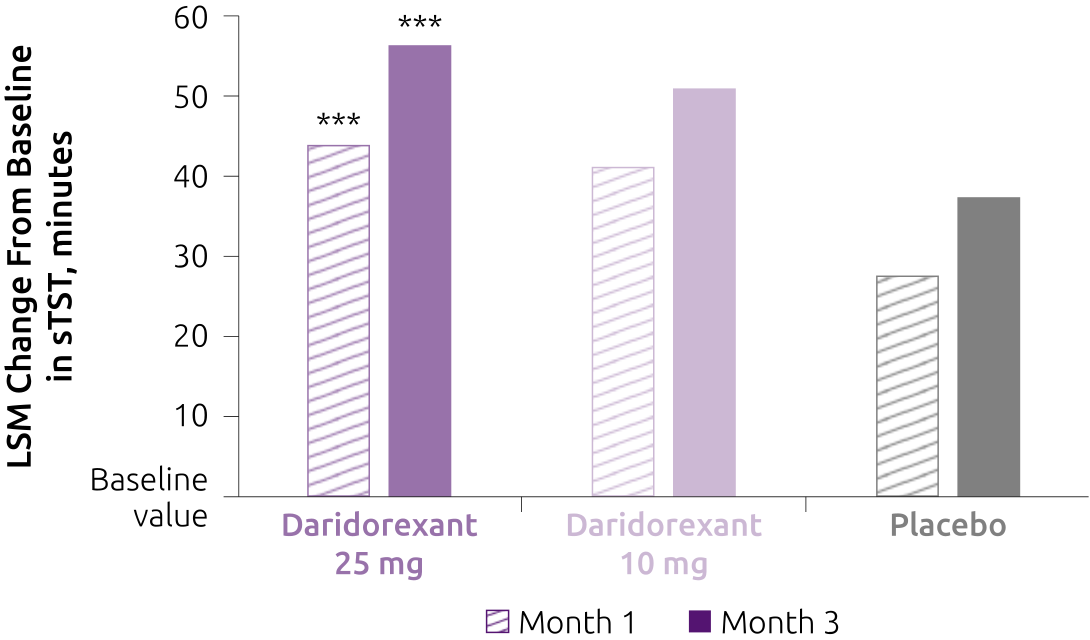
Use of daridorexant 25 mg significantly improved sTST at both month 1 and month 3
Use of daridorexant 10 mg did not significantly improve sTST at either month 1 or month 3
***P < 0.0001 versus placebo.
LSM, least squares mean; sTST, self-reported total sleep time.
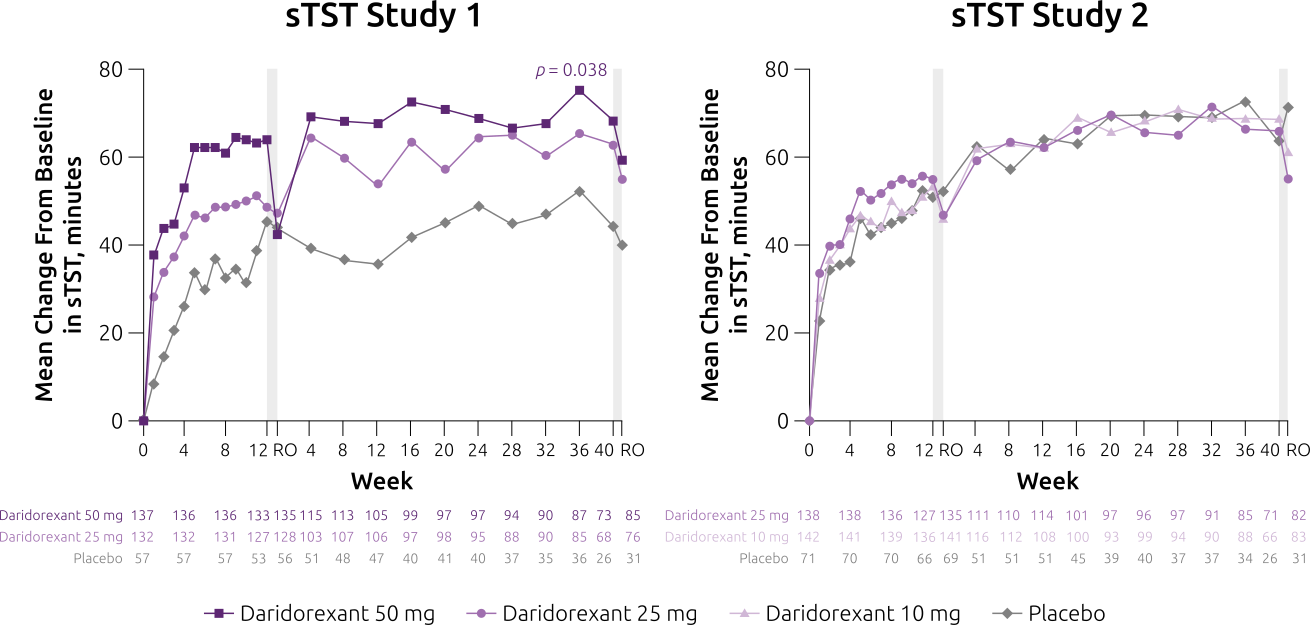
In study 1, daridorexant 50 mg increased sTST in subjects that was maintained over the 40-week treatment period of the extension study
In study 2, sTST after using both doses of daridorexant (10 mg and 25 mg) did not vary from that of placebo over the treatment period
Adapted from Kunz D, et al. CNS Drugs. 2022;10.1007/s40263-022-00980-8. This article is licensed under a Creative Commons Attribution
NonCommercial 4.0 International License: http://creativecommons.org/licenses/by-nc/4.0/.
RESULTS:
Pivotal: Secondary Endpoint - (subjective)
IDSIQ Sleepiness Domain Score
Extension: IDSIQ Total Domain Scores
CLOSEclose
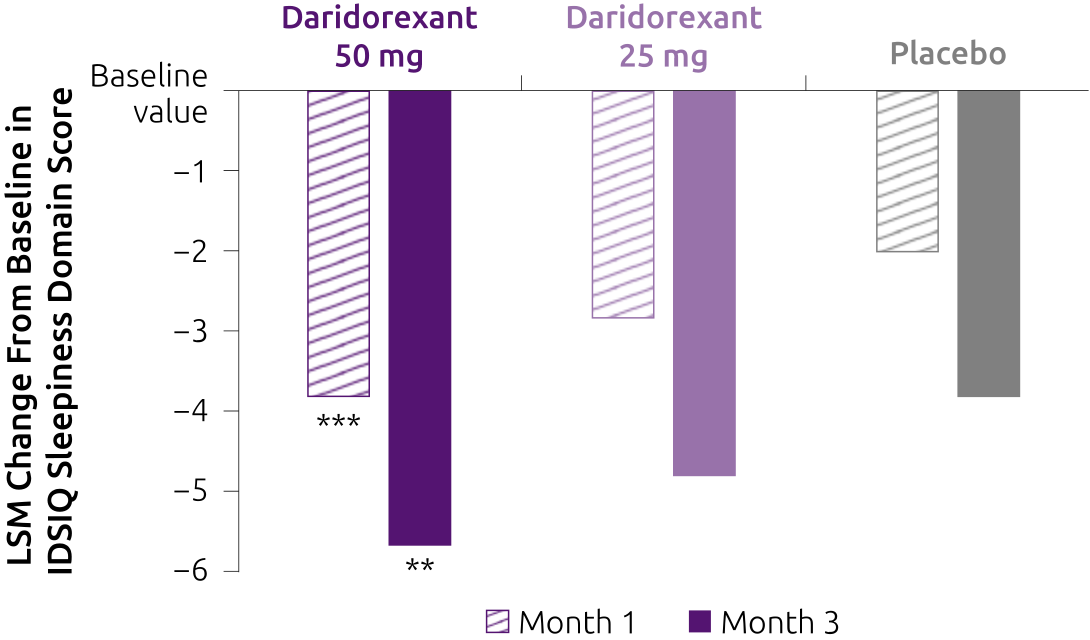
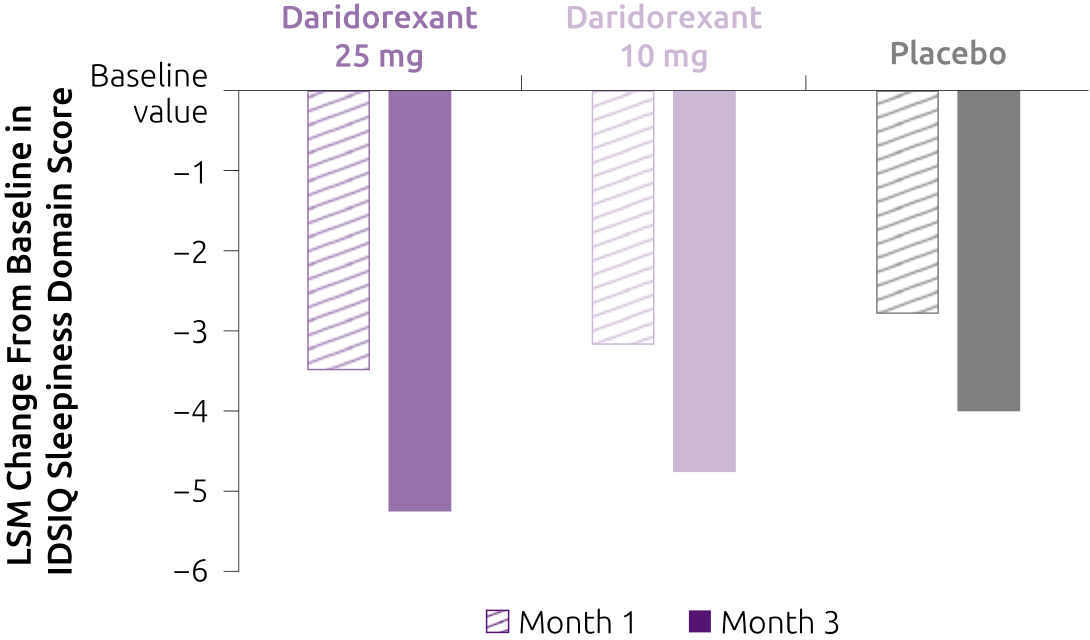
Use of daridorexant 50 mg significantly improved the IDSIQ Sleepiness domain scores at month 1 and month 3
Improvements for the 50 mg dose also was of a magnitude (5.7 points decrease from baseline) to be clinically meaningful (determined to be a change of ≥4 points from baseline) at month 31
Use of daridorexant 25 mg did not improve the IDSIQ Sleepiness domain score at month 1 and month 3
**P = 0.0002; ***P < 0.0001 versus placebo.
IDSIQ, Insomnia Daytime Symptoms and Impacts Questionnaire; LSM, least squares mean.
1. Hudgens S, et al. Patient. 2021;14:249-268.
Use of daridorexant 25 mg and 10 mg both did not significantly* improve the IDSIQ Sleepiness domain score at either month 1 or month 3
*The IDSIQ Sleepiness domain score did not reach statistical significance after controlling for multiple comparisons.
IDSIQ, Insomnia Daytime Symptoms and Impacts Questionnaire; LSM, least squares mean.
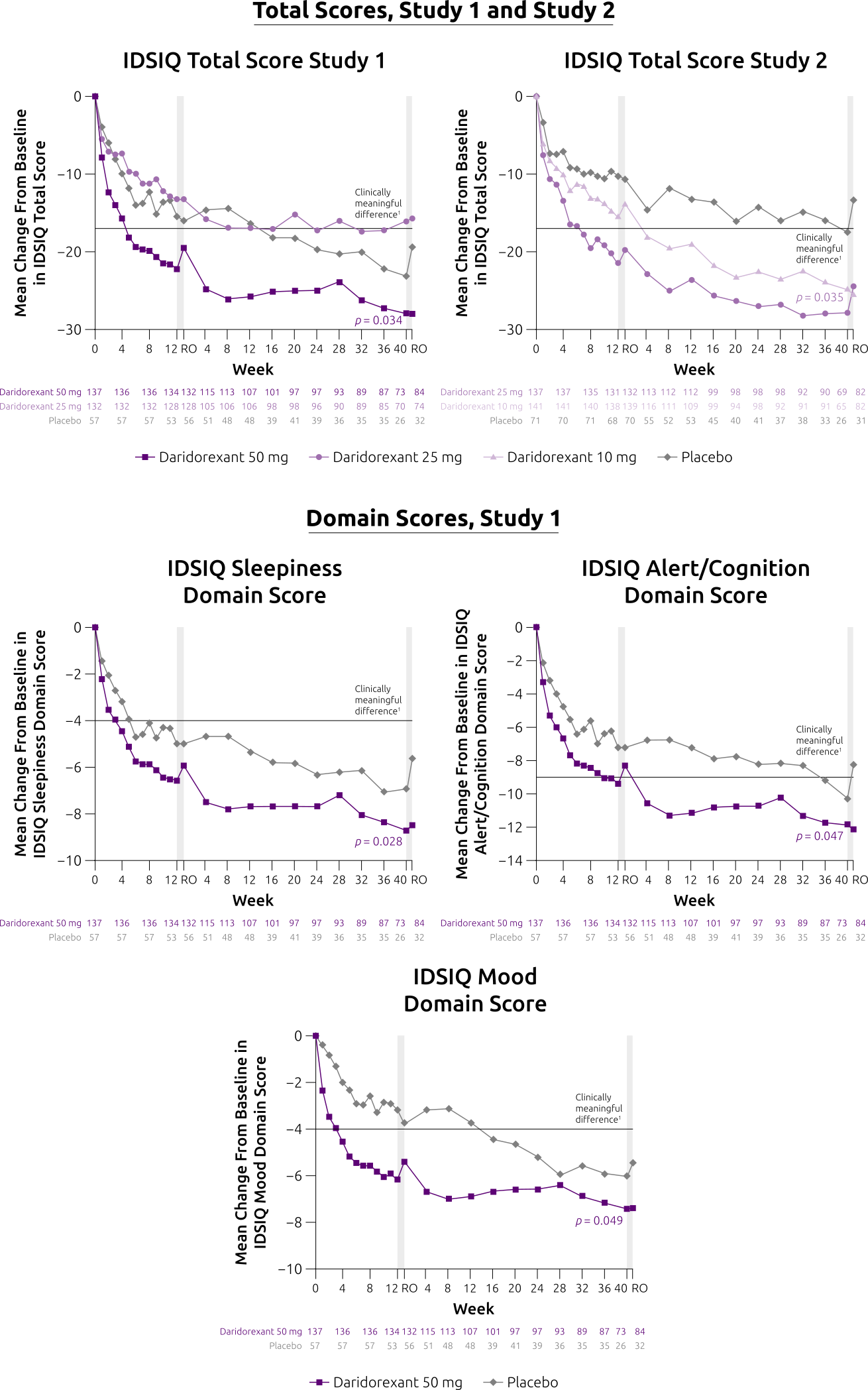
In study 1, daridorexant 50 mg showed improvements in IDSIQ total score that was maintained over the 40-week treatment period
Additionally, daridorexant 50 mg showed improvements in IDSIQ domain scores (Sleepiness, Alert/Cognition, and Mood) that were maintained over the 40-week treatment period
Adapted from Kunz D, et al. CNS Drugs. 2022;10.1007/s40263-022-00980-8. This article is licensed under a Creative Commons Attribution NonCommercial 4.0 International License: http://creativecommons.org/licenses/by-nc/4.0/.
1.Phillips-Beyer A, et al. Poster presented at SLEEP 2022, the 36th Annual Meeting of the Associated Professional Sleep Societies, LLC (APSS), June 4-8, 2022, Charlotte, NC, USA.
Safety and Tolerability
CLOSEclose
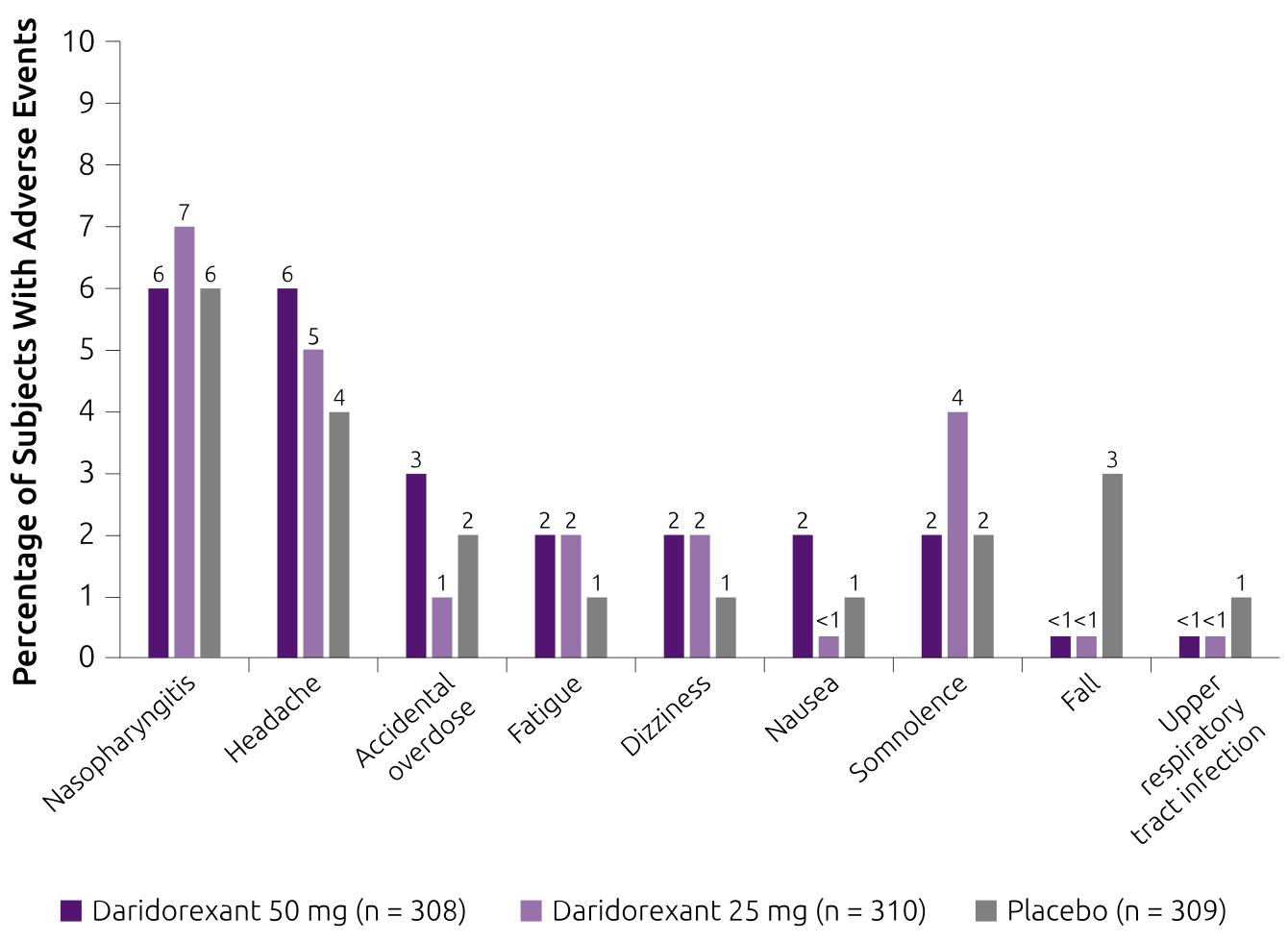
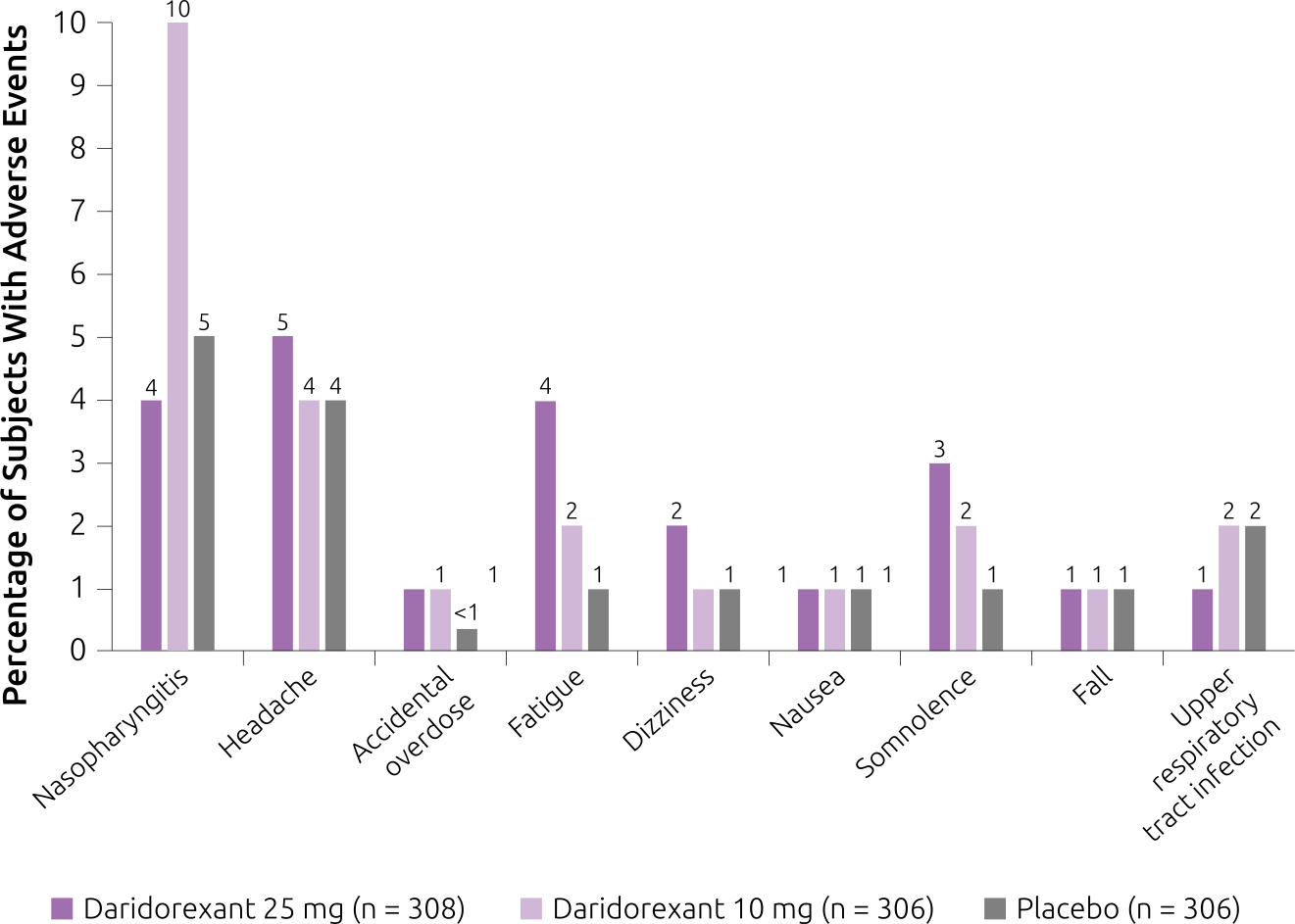
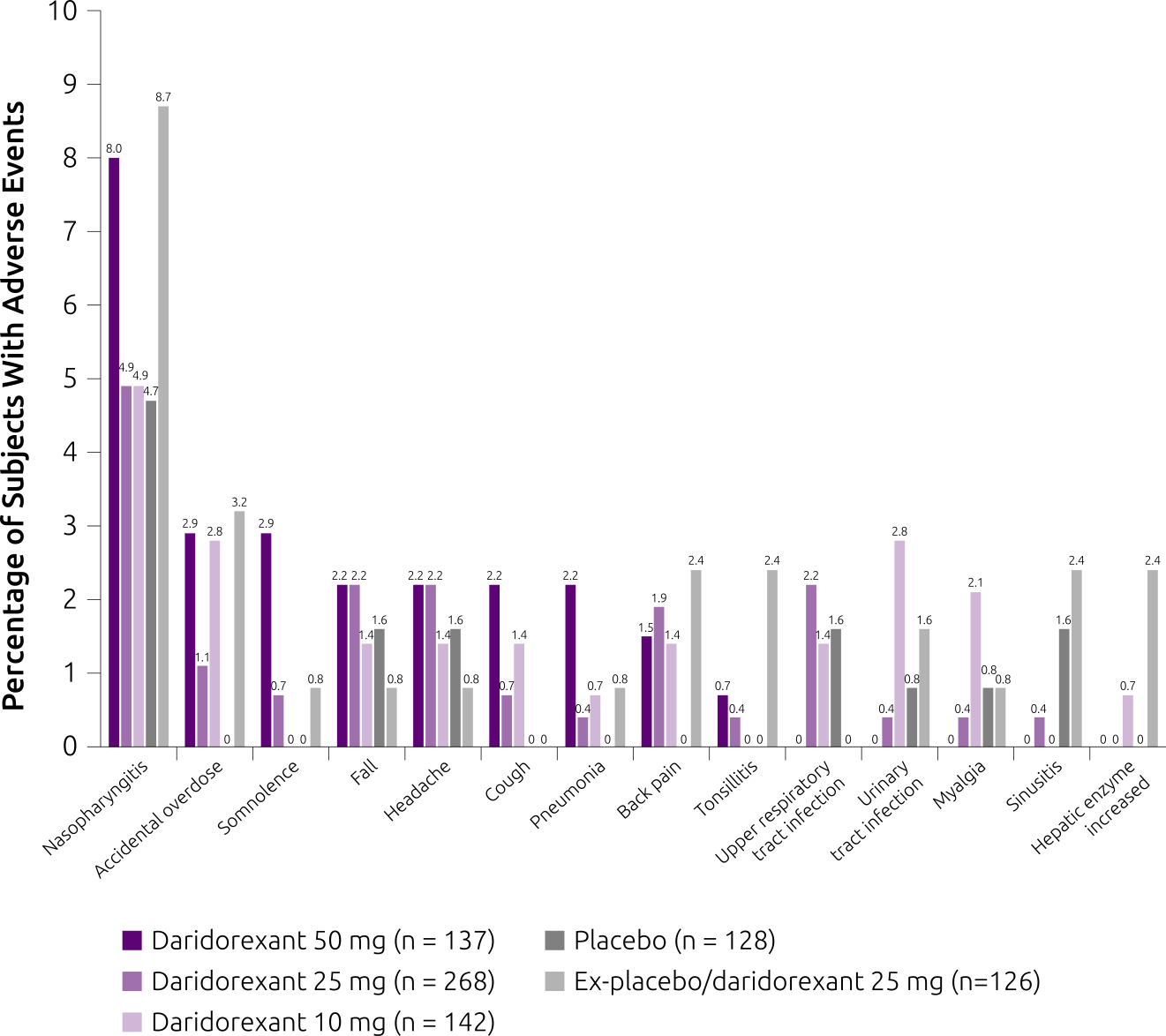
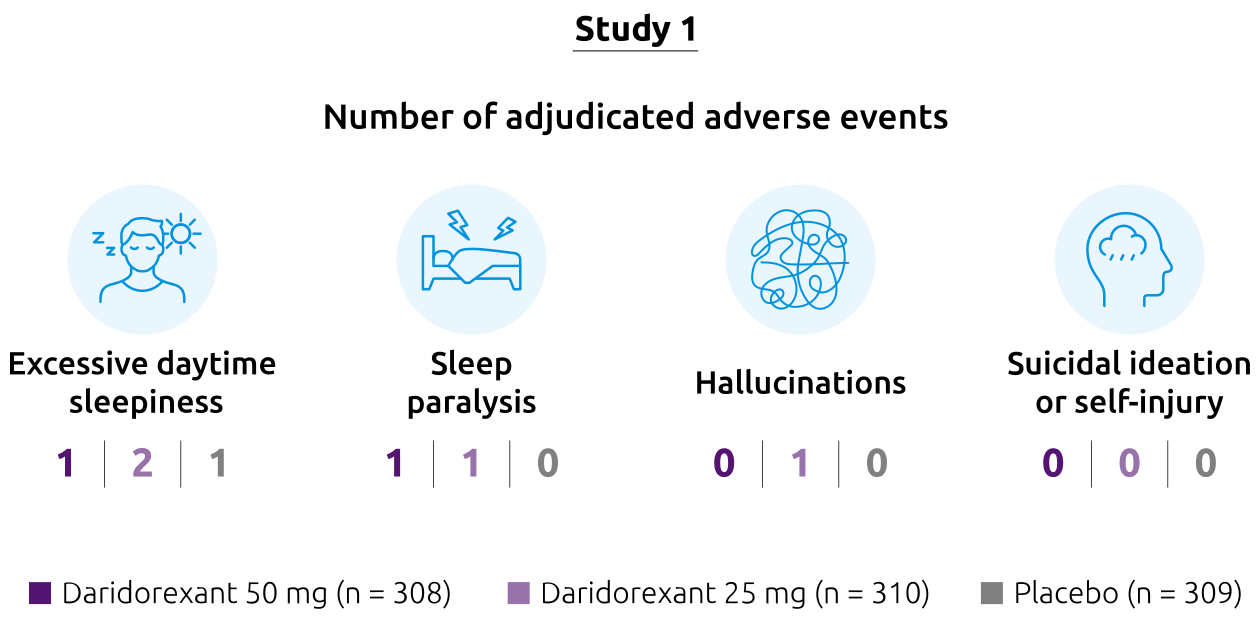
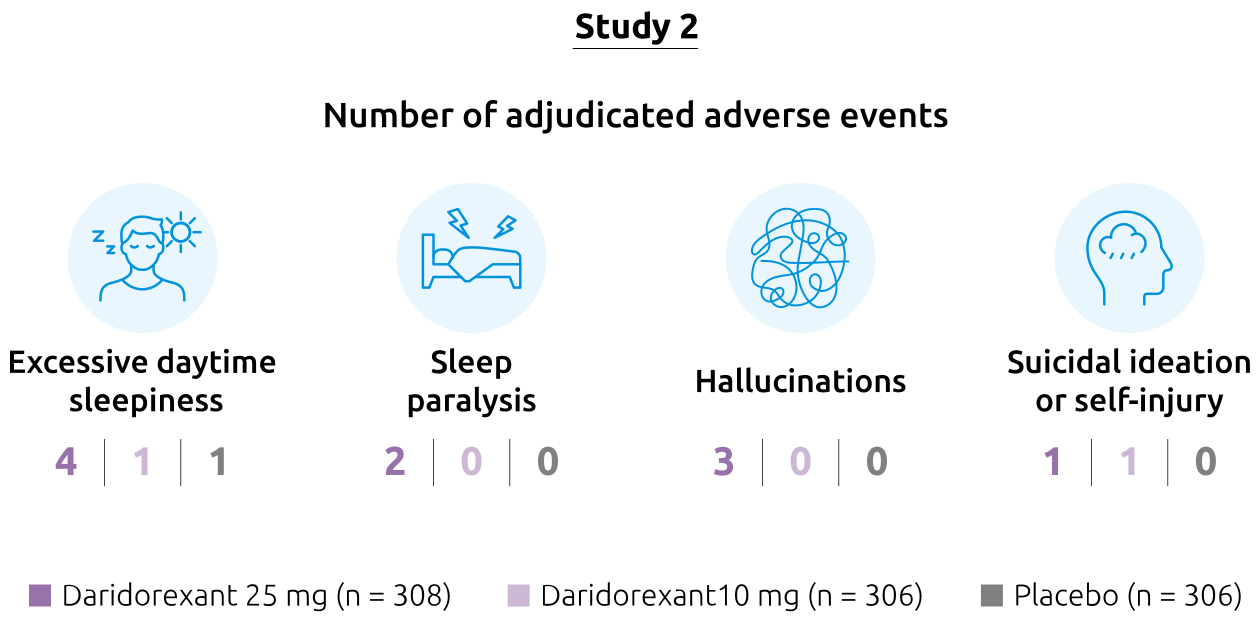
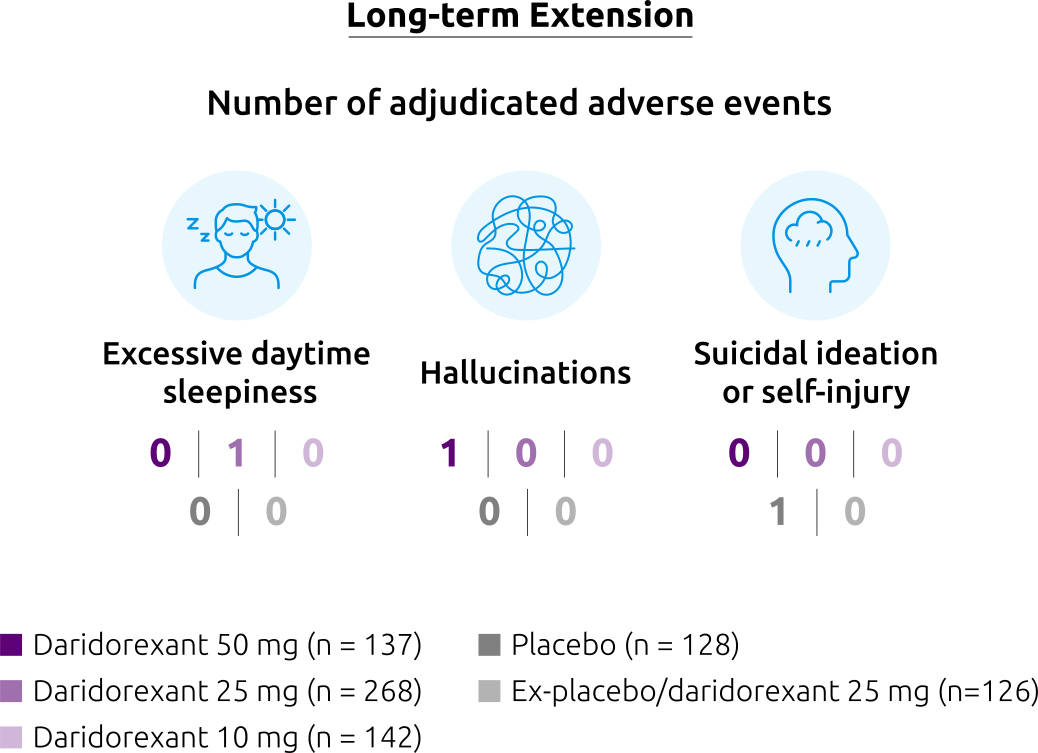
The frequency of adverse events (AEs) was comparable across all treatment groups in the two pivotal trials and the long-term extension
Rates of somnolence and falls, which are AEs of interest for insomnia medicines, were low
Rates of fatigue, dizziness, and somnolence were comparable with those for placebo
Nasopharyngitis and headache were the most common AEs in all groups
Serious AEs and discontinuation due to AEs were infrequent and similar to rates with placebo
There were a few isolated reports of sleep paralysis and hallucinations, but no other complex sleep behaviors were reported
Suicidal ideation was reported in 2 subjects in study 2 who had histories of psychiatric conditions
There were a few isolated reports of sleep paralysis and hallucinations, but no other complex sleep behaviors were reported
Suicidal ideation was reported in one patient in the placebo group
There was no evidence of drug abuse potential in either study or the long-term extension
There were no withdrawal symptoms or rebound insomnia upon treatment discontinuation in either study or the long-term extension